Choosing an All-Natural Comforter: A Practical Guide to Wool, Alpaca, and Silk-filled Options
A thoughtful sleep environment begins with what wraps you in warmth and breathability. This guide depths into all-natural comforters—specifically wool, alpaca, and silk-filled designs—exploring how material choice, fill power, and care impact temperature regulation, moisture management, and longevity. Alongside, we profile three pivotal voices from different eras who shaped our understanding of comfort, sleep, and human well-being.
The appeal of all-natural comforters lies in their ability to harmonize body temperature, skin sensitivity, and lifestyle needs without heavy reliance on synthetic fillers. Wool, for instance, is renowned for superior temperature regulation and humidity management. Alpaca offers a refined loft with a soft feel and exceptional thermal balance, while silk brings a whisper-light warmth with natural breathability. When selecting among these options, sleepers should consider climate, sleeping position, and personal warmth preferences across seasons.
One practical starting point is to think in layers. An all-natural comforter can function as a year-round core, with seasonal adjustments via duvet covers or lighter/smarter layering. A wool comforter, for example, can be paired with a breathable cotton shell to optimize loft and airflow. An alpaca-filled option may provide a gentler warmth with humidity resistance, while a silk-filled version offers a cooler touch for those who sleep warm yet crave a refined, luxurious feel. The goal is a balanced sleep climate: comfortable, yet never stifling.
All-Natural Highlight
Temperature regulation, breathability, and longevity are the hallmarks of wool, alpaca, and silk-filled comforters. Each offers a distinct feel and performance profile.
- Wool: excellent moisture-wicking and warmth, naturally breathable.
- Alpaca: light loft with robust insulation, hypoallergenic tendencies.
- Silk: lightweight warmth, superior temperature neutrality.
Material Deep Dive: Wool, Alpaca, and Silk
Wool Comforters
Wool has a long-standing reputation for regulating temperature through natural crimp and hollow fibers. It traps air, creating insulation that adapts to nightly shifts in room temperature. Wool also wicks moisture effectively, helping sleepers feel drier, which reduces the feeling of clamminess during warmer nights. When sourced from organic or responsibly managed farms, wool brings sustainability and ethical considerations into the conversation.
Care tips: spot-clean when possible, sun-refresh periodically, and avoid aggressive machine washing that may distort loft.
Alpaca Comforters
Alpaca fiber blends offer a refined loft with breathability that tends to stay warmer than cotton but lighter than heavy wool. Alpaca fibers hug the skin with a smooth hand and often resist prickle, appealing to sleepers with sensitive skin. The natural crimp and hollow structure provide insulating warmth while maintaining airiness in the bed.
Care notes: alpaca blends typically respond well to gentle cleaning and may require professional care for longer-term durability, depending on the fill mix.
Silk-filled Comforters
Silk-filled options offer exceptional temperature neutrality. Silk adapts to body heat, providing a cool touch on hot nights and a gentle warmth when temperatures drop. Silk shells—100% natural cotton or similar fibers—contribute to a luxurious, hypoallergenic sleep environment. Silk’s smoothness also reduces friction against the skin, which can benefit sensitive sleepers and those prone to irritation.
Care tips: silk-filled comforters often require careful laundering, with some models recommending professional cleaning or delicate washing under specific conditions.
Practical Framework: Climate, Sleep Style, and Care
Climate-Centric Selection
For warm, humid climates or heated summer nights, silk-filled or light-weight wool options tend to perform best due to breathability and moisture management. In cold, dry environments, a heavier wool or alpaca fill provides extended warmth and loft. If you’re living in a seasonal climate, a dual-weight approach—layering a lighter silk or wool option with a additional blanket—can yield year-round sleep comfort.
Sleep Style and Position
Side sleepers may benefit from slightly greater loft to cushion shoulders and hips, while back sleepers often prefer a more uniform warmth with steady loft. Stomach sleepers might enjoy a lighter fill to reduce pressure around the chest. When choosing between wool, alpaca, or silk, consider how your body responds to heat and pressure. A wool comforter with best-in-class airflow can help regulate temperature, while a silk-filled version offers a featherweight feel for upscale sleep experiences.
Care, Longevity, and Practicalities
All-natural comforters demand thoughtful care to maximize longevity. Wool and alpaca fills benefit from air-drying after use, occasional sun-refreshing, and occasional professional maintenance if required by the fabric mix. Silk-filled options, while sumptuous, often require more careful handling during washing and drying to preserve fill integrity and shell softness.
In the field of all-natural bedding, a good practice is to use a duvet cover to protect the inner fill. This simple step extends loft and reduces break-in time after cleaning. For those who prioritize eco-conscious choices, seek certifications and transparent supply chains that reflect ethical sourcing, organic farming practices, and minimal chemical processing.
Starter Pillars for All-Natural Comforter Selection
Pillar 1: Climate Suitability
Choose wool for variable climates; alpaca for premium warmth with loft; silk for neutral warmth with a cooler touch.
Pillar 2: Sleep Style Alignment
Match loft and weight to sleep position, body temperature, and personal preference for softness vs. support.
Pillar 3: Care and Longevity
Plan for care guidelines that suit the fill material; layer with a duvet cover; consider certifications for sustainable sourcing.
A Practical Starter: All-Season Wool Comforter
Among the all-natural options on the market, the All-Season Wool Comforter embodies the balance of warmth, breathability, and longevity that wool can offer. This versatile design uses domestically sourced eco wool encased in an organic cotton shell and hand-tufted to maintain loft and limit shifting. Its all-season weight makes it a strong starting point for sleepers who prize robust temperature regulation without bulky bulk.
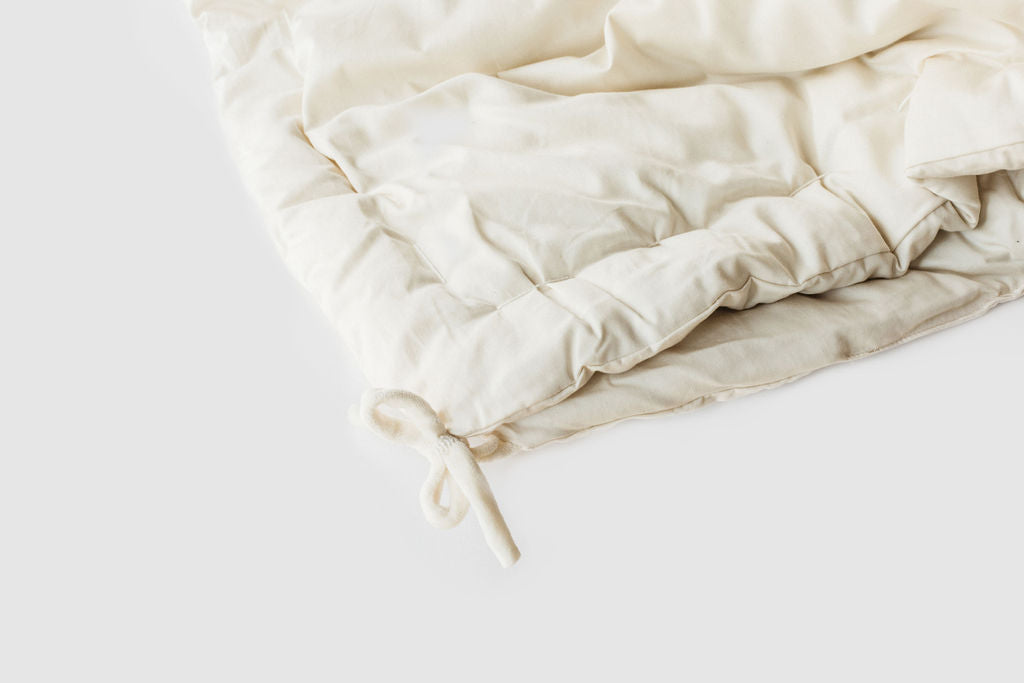
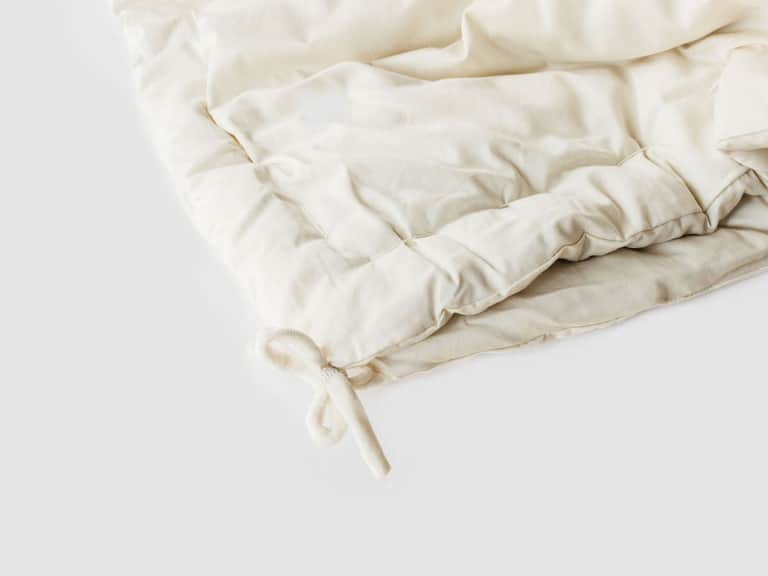
The featured product in this article, All-Season Wool Comforter, is a two-layer configuration joined with cotton ties at the corners and sides. That approach allows sleepers to modulate warmth across the seasons by adjusting layering or duvet cover use. The wool is naturally moisture-wicking, and the organic cotton 300-thread-count sateen shell provides a smooth, breathable skin contact surface. Care involves sun refreshing and spot cleaning as needed, with minimal agitation in washing when necessary.
Product Highlight
All-Season Wool Comforter — Two-layer wool comforter with cotton ties, organic cotton shell, and hand-tufted construction. Year-round warmth with balanced loft and breathability.
Origin: USA. Care: sun refresh; spot clean; machine wash on gentle with careful handling.

Cultural and Historical Perspectives on Comfort
Across history, the idea of comfort has evolved from daily routines and shelter to the science of sleep environments. Three key figures illuminate how we have come to think about warmth, rest, and wellbeing.
Hypatia of Alexandria (c. 360–415 CE)
A philosopher and mathematician who valued calm contemplation and intellectual clarity, Hypatia’s era reminds us that comfort also resides in a clear, focused mind. In modern terms, mental rest and cognitive ease parallel physical warmth: both sustain us through the night and through the day.
Elizabeth Blackwell (1821–1910)
As a pioneer in modern medicine and a proponent of women’s health, Blackwell’s work underscores the link between health, environment, and daily comfort. Her legacy invites us to consider sleep health as a critical component of overall wellbeing.
Dr. Patrick McGinnis (20th–21st c. contemporary sleep science)
A modern voice in sleep science, McGinnis emphasizes evidence-informed routines and sleep environment optimization—topics that align with all-natural comforters’ emphasis on temperature regulation and breathable layers.
Each figure, across different epochs, points to a consistent theme: comfort is a combination of environment, physiology, and daily patterns. The modern all-natural comforter extends that legacy by offering tangible materials—wool, alpaca, and silk—that respond to body heat and moisture, enabling a restful night that is both luxurious and grounded in the science of sleep.
Editorial Reflections: The Editorial Voice of Comfort
In shaping a narrative around comforters, we aim to foreground the quiet, daily rituals that define sleep quality. The material choices—wool, alpaca, and silk—are not mere fashion; they are signals of how a bedroom can nurture health, resilience, and calm. The Tone of this feature echoes a Time magazine sensibility: clear, evidence-informed, and attuned to the lived experience of readers who balance work, family, and self-care.
We acknowledge that consumer considerations—certifications, sourcing ethics, and care instructions—are not trivial. The goal is to provide readers with a framework: how to read a label, how to assess warmth and weight, and how to maintain fiber loft across seasons. In this sense, the All-Season Wool Comforter is not just a product recommendation; it is a case study in how thoughtful design translates into long-term comfort and sustainability.
Conclusion: A Thoughtful Path to Natural Comfort
The journey toward an all-natural comforter is, at heart, a journey toward a better night's sleep. Wool, alpaca, and silk each offer unique strengths—breathability, insulation, and tactile luxury—that can be tuned to climate, season, and personal preference. The selection process becomes a dialogue between environment and body, supported by care routines that preserve loft and warmth for years to come.
If you’d like, we can sketch a starter content plan for more pillars and article titles, map a simple site structure, and generate a keyword brief to guide future content creation. The structure above is designed to feel editorial, informative, and accessible—just like a thoughtful Time magazine feature on the science and poetry of sleep.
Related Product Highlight
All-Season Wool Comforter — featured product with superior warmth management and breathable shell. A practical, all-year choice that emphasizes natural warmth without bulk.
Origin: USA • Care: sun refresh; spot clean; machine wash on gentle as needed.